How much do car detailers make in the UK? The answer depends on whether you mean an employee’s wages or the income from running a valeting and detailing business. One employer advertised a detailer/valeter role at £26,000 a year, while a separate fleet-valeting advert offered £13.05 an hour. A business owner’s earnings depend on booked work, prices, time and costs: £5,000 of sales is not £5,000 of take-home pay.
This guide explains the difference, gives worked examples and helps you choose a practical starting point. If you are considering training, explore our car valeting and detailing courses in Manchester.
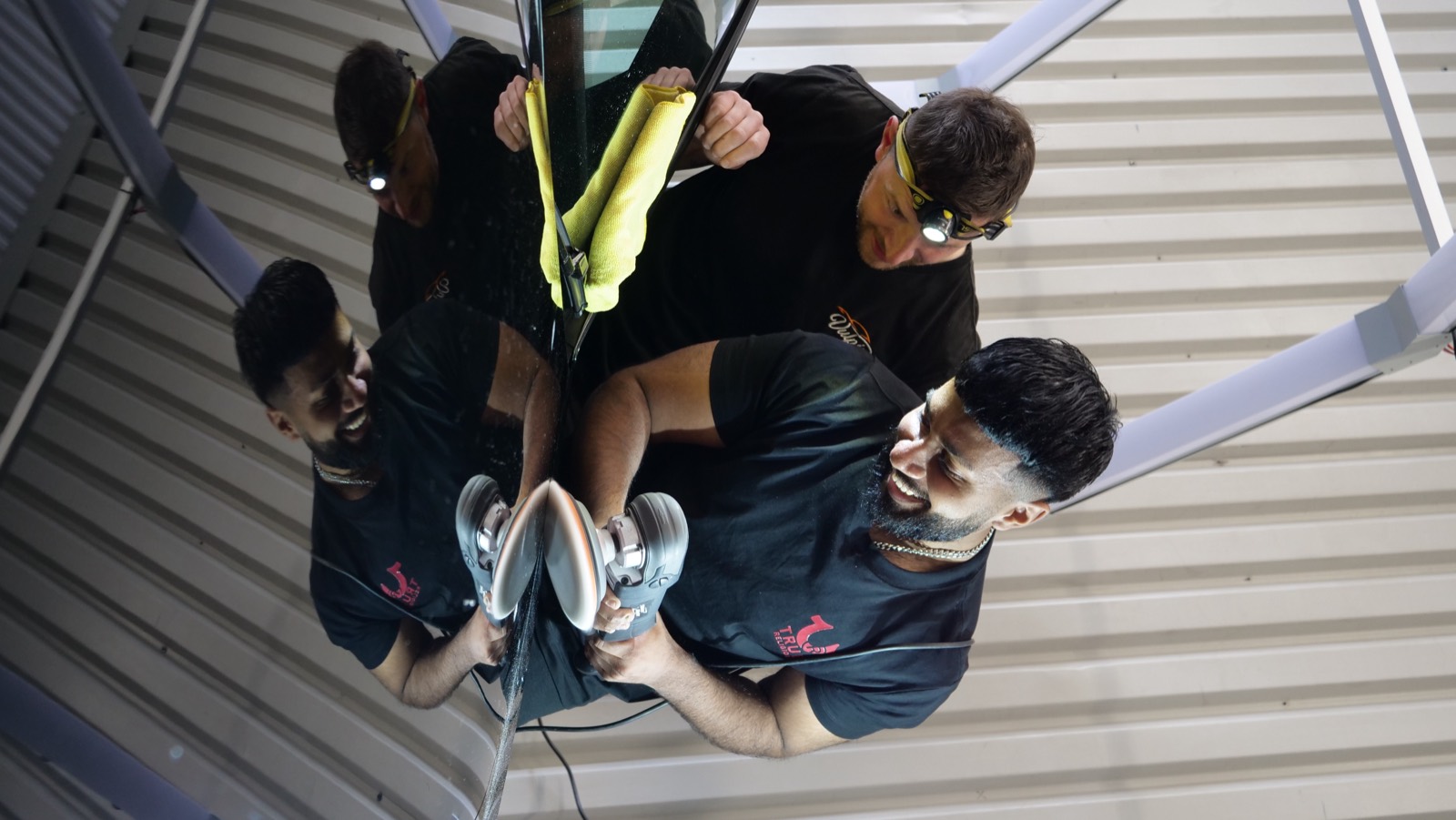
How much do employed car detailers and valeters earn?
Job titles cover very different work. Preparing stock vehicles for a dealership is different from carrying out paint correction and applying ceramic coatings, so a single headline salary can hide a lot.
- Pyramid Car Care’s Worcester detailer/valeter advert, dated 14 April 2026, lists £26,000 per year. Its duties include machine polishing and ceramic coatings.
- Arnold Clark’s Glasgow fleet-wash valeter advert lists £13.05 per hour plus benefits.
These are individual advertised roles checked on 21 October 2026, rather than a national average or a promise of what you will earn. Vacancies and rates can change. When comparing jobs, check paid hours, overtime, responsibilities, holidays, pension and any performance-related pay.
How much can a self-employed car detailer make?
There is no fixed wage when you run your own business. You need to distinguish three figures:
- Turnover: sales generated by the business, excluding VAT where applicable.
- Profit: what remains after business costs. The precise accounting and tax treatment depends on your business structure.
- Take-home income: the money available to you personally after relevant taxes and the money the business needs to retain.
HMRC explains allowable expenses and taxable profit. The useful planning lesson is to record your costs alongside sales. The amount arriving in your bank account does not, on its own, tell you what you have earned.
Illustrative monthly sales examples
The following figures are made-up planning examples, not market averages, Vulpix service prices or student results. Prices are shown excluding VAT where applicable. They assume the stated jobs are actually booked and completed, and do not deduct any costs.
| Completed jobs in a month | Average sale per job | Monthly turnover |
|---|---|---|
| 40 | £75 | £3,000 |
| 30 | £200 | £6,000 |
| 20 | £500 | £10,000 |
A higher-priced job may occupy a full day or several days. You cannot assume that every service fits the same slot or that every working day will sell. Check the hours required, customer demand, preparation, travel and your available working space before treating any scenario as achievable.
For another purely illustrative calculation, £6,000 turnover minus £2,000 of business costs leaves £4,000 before tax and any further adjustments. For a sole trader, that remainder also rewards the owner’s own working time; it is not an employee salary on top. Change the costs or number of bookings and the result changes.
What costs reduce a valeting business’s profit?
Build a budget around the way you will actually work. Mobile and unit-based businesses have different costs, but both need more than chemicals and a pressure washer.
- Products, pads, towels, consumables and laundry.
- Equipment purchase, maintenance and replacement.
- Suitable insurance and any relevant finance costs.
- Van running costs, fuel and travel time for mobile work.
- Rent, utilities and other premises costs for unit-based work.
- Booking software, payment fees, accounting and marketing.
- Staff or subcontractor costs where applicable.
Allow time for quoting, customer messages, cleaning equipment and administration. Those hours still belong in your working week even when a customer is not paying for a job. Bad weather, cancellations, illness and quieter periods also affect the amount of work you can complete.
What helps a detailer build a sustainable income?
Price the whole job. Include inspection, preparation, the service itself and final checks. A job that runs over by several hours can reduce your effective hourly return even when the invoice looks attractive.
Match the service to your skill. Safe washing and interior cleaning are useful foundations. Machine polishing and coatings involve additional judgement, preparation and risk. A higher selling price does not automatically mean a higher profit.
Deliver consistent results. Clear service descriptions, realistic expectations and reliable communication help customers understand what they are paying for. Repeat maintenance work can make planning easier, but it still needs to be priced properly.
Measure your own numbers. Track average job value, total job time, direct costs, enquiries that become bookings and repeat customers. Use those records to improve your offer instead of copying somebody else’s turnover screenshot.
Can a car detailing business reach £10,000 a month?
£10,000 monthly turnover is a sales target, not a salary. The table shows one mathematical route: 20 completed jobs averaging £500 excluding VAT. It does not establish that those jobs exist in your area or fit into your diary. Some services take more than one day, and a full diary still has to cover costs.
Before setting a target, work backwards from your capacity, service times, pricing, demand and overheads. Training can help develop practical skills and business understanding; it cannot guarantee customers, revenue or profit.
Which training course fits your starting point?
Vulpix training takes place at Unit 1 Lower Wharf St, Ashton-under-Lyne, Manchester, OL6 7PE. Course days run from 09:00 to 16:30. Choose the skills you need rather than buying a course on an earnings promise.
- Starting with the fundamentals? Our one-day Car Valeting course covers safe washing, chemical use, interiors, engine-bay cleaning and equipment guidance. It costs £350 including VAT. Read the one-day valeting course brochure.
- Already valeting and developing correction skills? The one-day Machine Polishing course covers rotary polishing, paint inspection, pads, compounds, sanding and repair techniques and their limits. It excludes washing, decontamination and other wet preparation. It costs £350 including VAT. Read the machine polishing course brochure.
- Looking for broader practical training? The three-day Advanced Detailing course covers decontamination, paint-depth checks, DA and rotary polishing, ceramics, and pricing and sales basics. Day two is a full machine-polishing day. It costs £1,500 including VAT. Read the three-day detailing course brochure.
No take-home kit is included. Planned dates and places need checking; an enquiry does not reserve a seat. Compare the courses and enquire about dates and places, or book a free 15-minute training advice call with James. The call helps you discuss your starting point and goals; it does not reserve training.
For longer-term support, explore our car detailing business mentorship. The programme costs £12,000 including VAT (£10,000 plus VAT) and lasts for the full 12 months. It includes two mentoring calls per month and all existing scheduled training courses, including repeat attendance with each place confirmed separately. The aim is to work towards your first £10,000 revenue month within 12 months; reaching it earlier does not end your programme, and results are not guaranteed. Start with a free discovery call to discuss suitability.
Frequently asked questions
Is car detailing profitable?
It can be, when sales cover the true cost of delivering the work and leave enough for the owner. Profit depends on your own prices, costs, demand and capacity. Neither an expensive service nor a busy diary proves profitability by itself.
Is mobile valeting cheaper to start than a detailing unit?
The cost mix is different. Mobile work needs a suitable vehicle and equipment and involves travel; a unit adds premises costs. Compare a written budget for both before deciding. There is no single start-up figure that fits every business.
Will completing a detailing course guarantee an income?
No. Practical training is one part of developing your skills. Earnings also depend on experience, demand, pricing, customer service and running the business well.